Chronicles of the Realm(A.D. 1000)

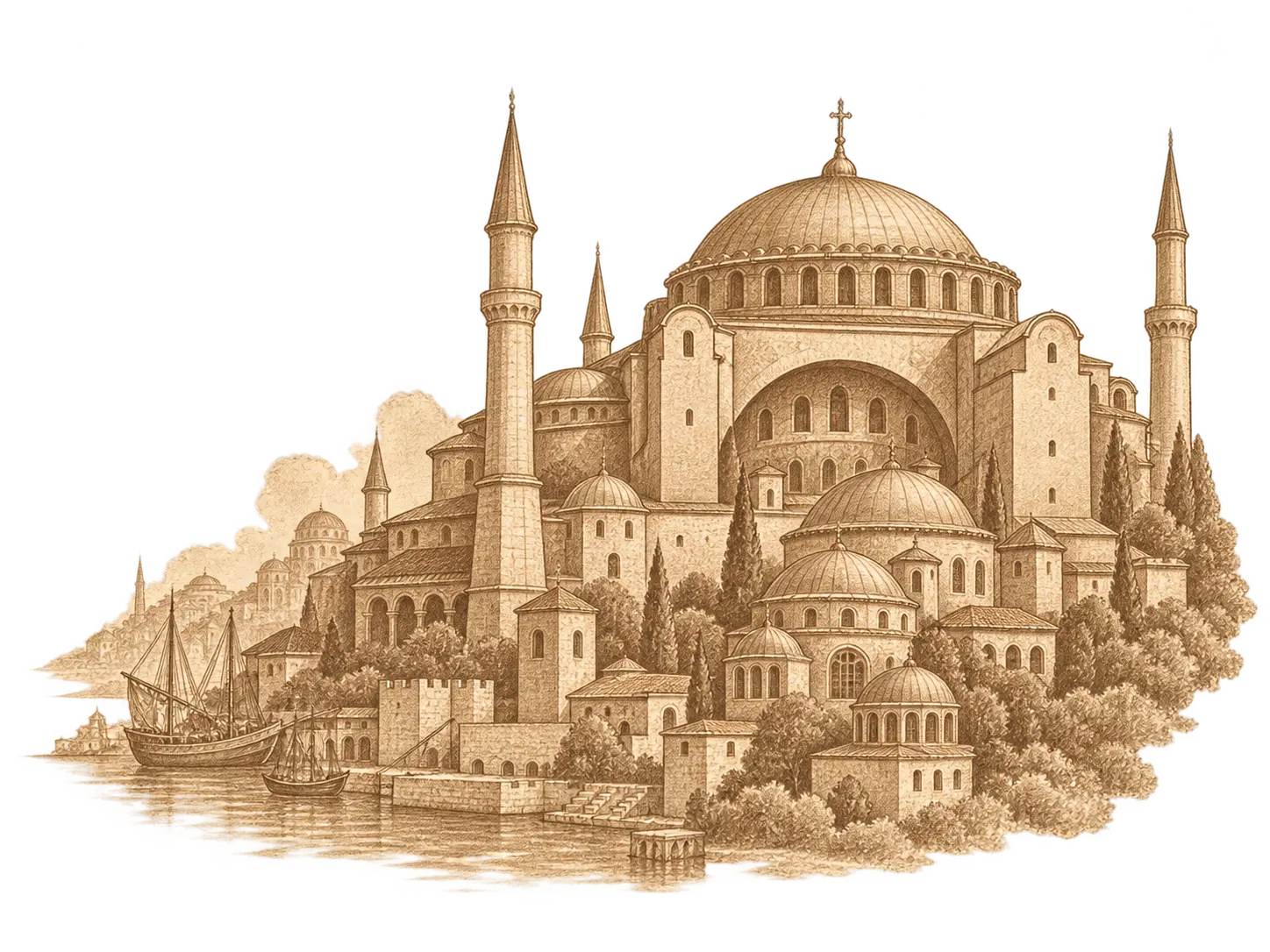
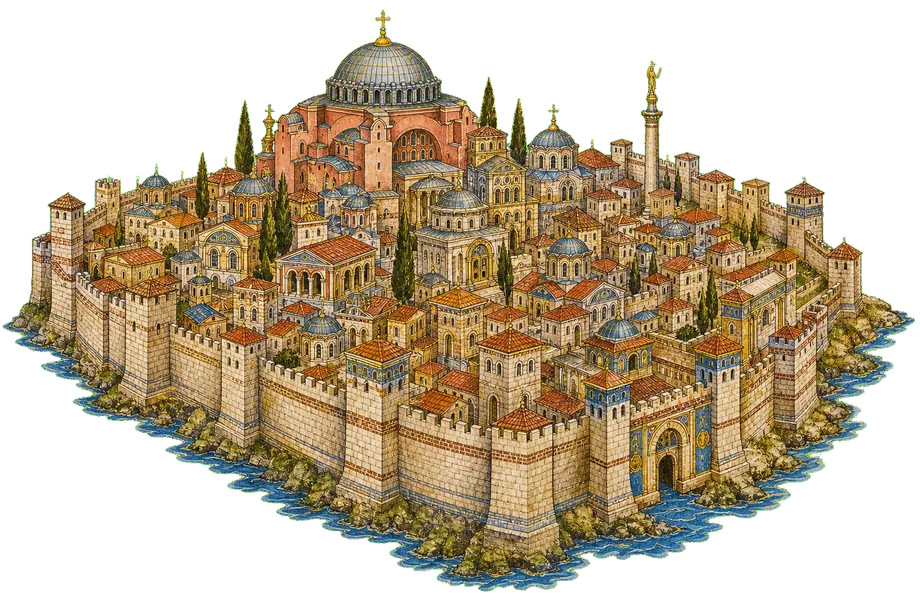
Byzantine Empire illuminated city

Timeline ChronicleChronica Temporis

Era & Realm Overview (Selected: 1000)

Era: Middle Ages | Realm: Byzantine Empire | Status: Basileia Rhomaion

The Byzantine Empire preserved Roman imperial institutions in the eastern Mediterranean for more than a millennium, though its territory rose and fell dramatically. In this peak power & culture stop, the key marker is the macedonian and komnenian periods restored power through war, diplomacy, and administration.. The route focus is Anatolian military roads, with Preslav Frontier as the main location and Basil II as the featured figure.
Latest ScrollsUltima Verba

Byzantine Empire seal

Origins & Setting (500)

Justinian codified Roman law and briefly reconquered parts of the western Mediterranean.

Byzantine Empire seal

Expansion & Conflict (800)

Arab conquests took Syria and Egypt, forcing a defensive Anatolian-centered empire.

Byzantine Empire seal

Peak Power & Culture (1000)

The Macedonian and Komnenian periods restored power through war, diplomacy, and administration.

Today

On Today's Day

A Day in the Chronicle

c. 1000Codex Historica

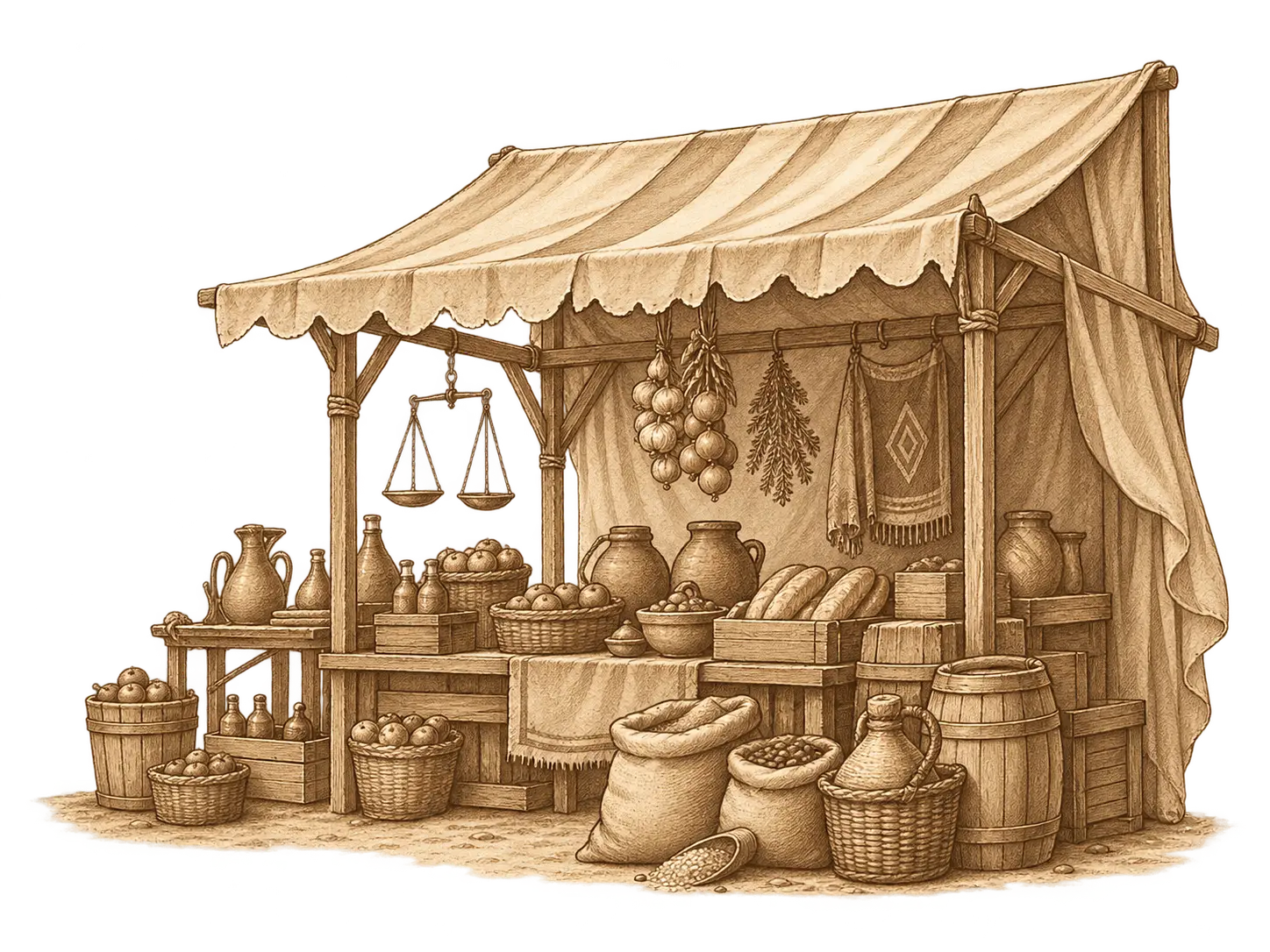
Today follows the quieter rhythm of the medieval world: harvests, letters, taxes, ships, courts, markets, and memory.

Technologia

Important Inventions

Byzantine Empire / Middle Ages
Naval Defense

Greek Fire

A feared incendiary weapon that made Byzantine sea walls, ships, and guarded formulas part of imperial survival.

Urban Shield

Theodosian Walls

Layered walls, towers, gates, and repair systems turned Constantinople into one of history's hardest cities to capture.

Luxury Industry

Silk Workshops

Imperial silk production joined diplomacy, fashion, taxation, and court ceremony into a controlled prestige economy.

Featured Figure

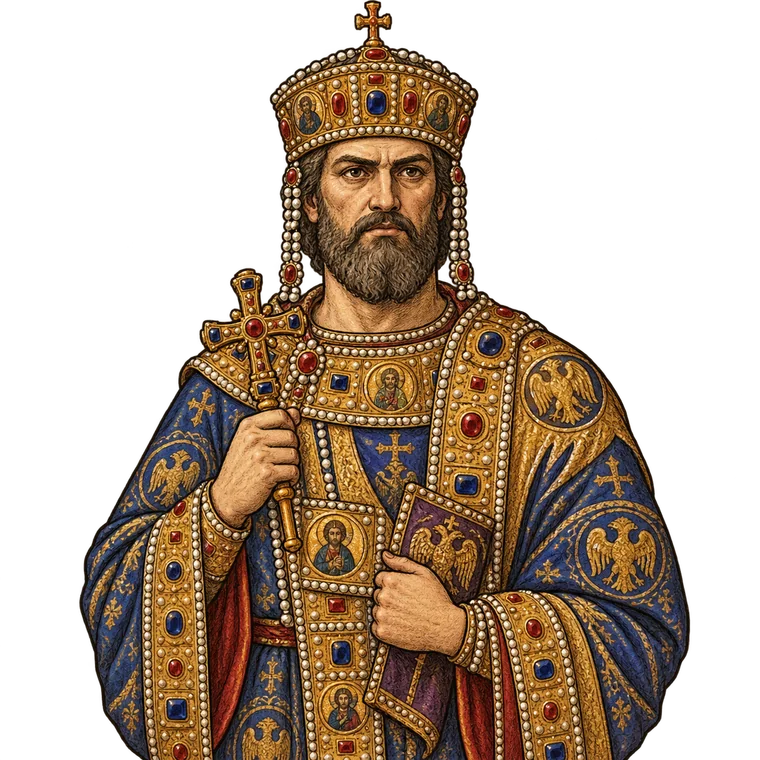
Basil II

Basil II

Emperor who defeated Bulgaria and strengthened the empire around 1025. This profile highlights how the person, pair, or named historical witness connects political decisions, cultural memory, and institutions in the selected era. Open Read More for the fuller timeline context, dates, and why this figure matters for the selected phase.

Tip for Scholars: Click a title ribbon to unroll its notes. Click it again to close.

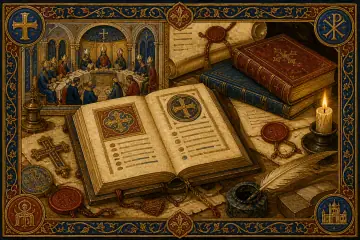
  • Corpus Juris Civilis529-534

    Justinian's codification of Roman law: Code, Digest, Institutes, and Novels.

    Jurisdiction: Eastern Roman Empire under Justinian IType: Codification of Roman lawWhy it matters: Preserved and reorganized Roman legal learning through the Code, Digest, Institutes, and Novels.

    Justinian's legal project was issued between 529 and 534, with later Novels continuing afterward. It became foundational for Byzantine law and, through medieval rediscovery in western Europe, central to later civil-law traditions.

  • Eclogac. 741

    Isaurian legal handbook adjusting Roman law in Greek Christian imperial context.

    Jurisdiction: Byzantine Empire under the Isaurian dynastyType: Greek legal handbookWhy it matters: Adapted Roman law to a Christian Greek administrative environment.

    The Ecloga is commonly associated with Leo III and Constantine V. It simplified and moralized parts of Roman law, used Greek rather than Latin legal presentation, and remained influential even where later law codes superseded it.

  • Basilika9th century

    Greek legal compilation that became central in middle/late Byzantine jurisprudence.

    Jurisdiction: Middle Byzantine EmpireType: Greek legal compilationWhy it matters: Made Justinianic law usable in medieval Greek legal practice.

    The Basilika was a major Greek reworking of Justinianic law associated with the Macedonian period. It helped judges, officials, and scholars access Roman legal material in the language and institutional world of medieval Byzantium.

Eastern Orthodox Christianity religious context
Eastern Orthodox Christianity4th-15th centuries

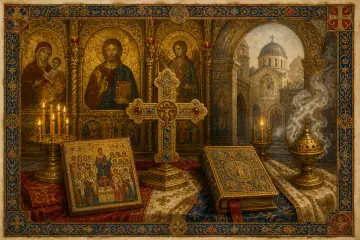
Orthodoxy, Greek liturgy, councils, icons, monasteries, patriarchal authority, and imperial ceremony shaped Byzantine public life and legitimacy.

Look for authority in ritual objects, bishops, monasteries, saints' cults, and public ceremony.

Islam and Judaism in imperial contact zones religious context
Islam and Judaism in imperial contact zones7th-15th centuries

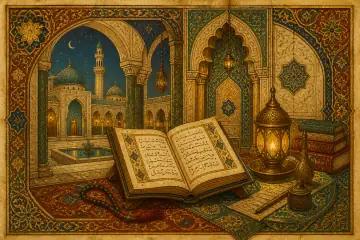
Islam became dominant in former Byzantine Syria and Egypt after the Arab conquests; Jewish communities remained important in many eastern Mediterranean cities.

Follow the institutions: mosque, court, school, market regulation, and charitable endowment often worked together.

Armenian and Syriac Christianity religious context
Armenian and Syriac Christianitymedieval frontier regions

Non-Chalcedonian Christian communities were major neighbors and subjects in contested Anatolian, Caucasian, and Syrian borderlands.

Look for authority in ritual objects, bishops, monasteries, saints' cults, and public ceremony.

  • Byzantine-Sassanian War (602-628)602-628 CE

    Theater Anatolia, Syria, Egypt, Mesopotamia, and the Caucasus

    Stakes This was the last great Roman-Persian war and nearly exhausted both empires.

    Campaign Style Campaigns relied on fortified cities, field armies, mountain routes, siegecraft, cavalry, and imperial logistics.

    Legacy Heraclius recovered key territories, but both powers were weakened just before the first Arab conquests.

  • Byzantine-Arab Wars7th-11th centuries

    Theater Syria, Egypt, Anatolia, the Mediterranean, and frontier zones

    Stakes The wars transformed the eastern Mediterranean and forced Byzantium into a more defensive, Anatolian-centered empire.

    Campaign Style Raids, sieges, fortified passes, naval warfare, prisoner exchange, and frontier diplomacy mattered as much as pitched battles.

    Legacy Byzantium survived the early shock, adapted its defenses, and later recovered ground during the Macedonian period.

  • Byzantine-Bulgarian Wars7th-14th centuries

    Theater Balkan frontier, Thrace, Macedonia, and the Danube region

    Stakes Control of the Balkans shaped tax income, military security, and imperial prestige.

    Campaign Style Mountain ambushes, cavalry raids, fortified towns, sieges, and shifting alliances defined the conflict.

    Legacy Basil II's conquest ended the First Bulgarian Empire in 1018, but Bulgarian power later revived.

OrganizationOrdo Exercitus · Who answers the call

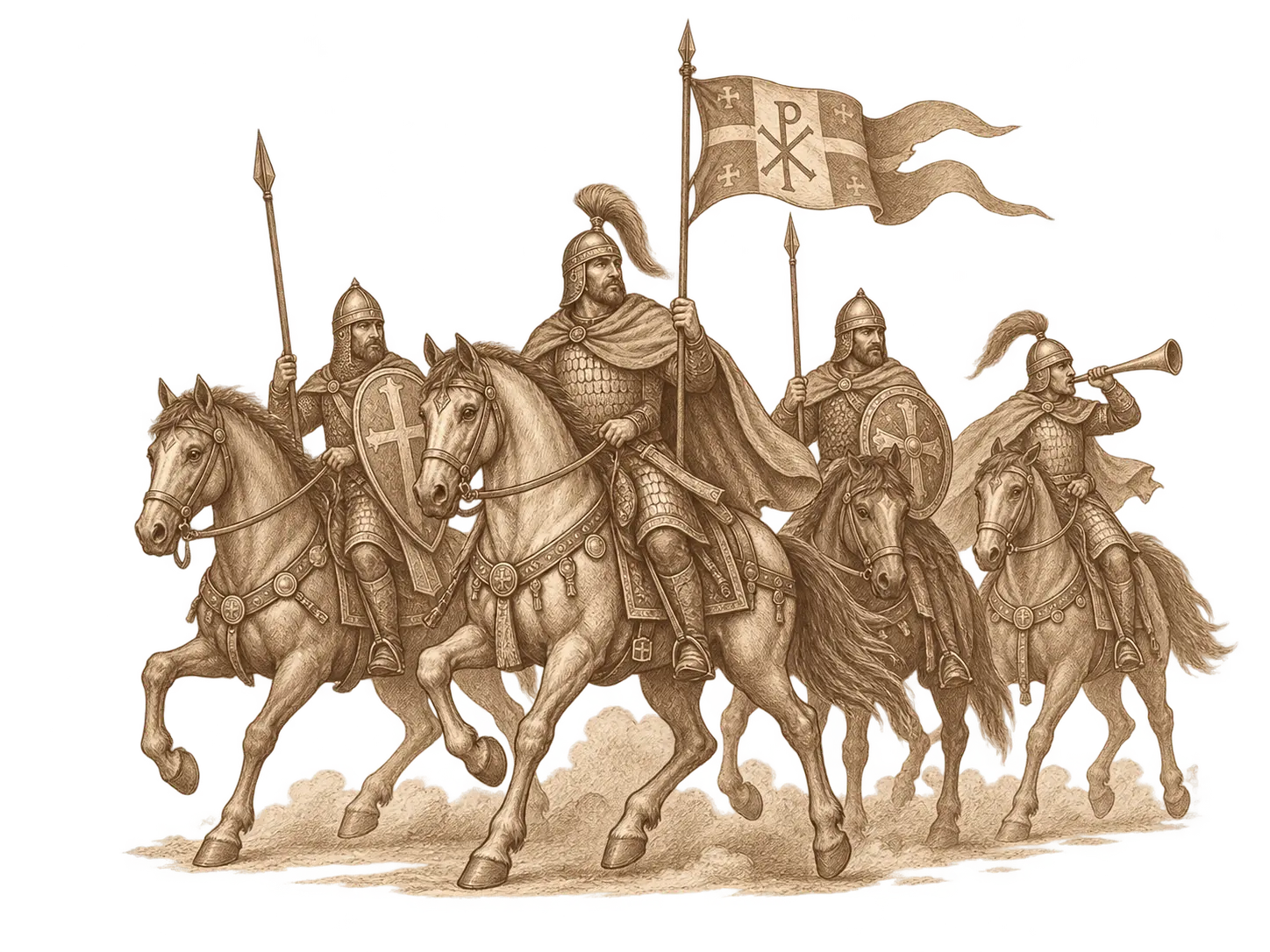
Byzantine defense combined themata provincial forces, tagmata central professional regiments, imperial guards, mercenaries, fleet units, and frontier akritai-like border warfare.

ThemataProvincial military districts governed by a strategos, where soldier-farmers held land in exchange for hereditary military service.
TagmataElite professional regiments stationed near Constantinople under direct imperial command, raised to counterbalance provincial armies.
Imperial GuardPalace guard units, later including the Varangian Guard, tasked with protecting the emperor's person.
MercenariesHired foreign troops supplemented citizen and provincial forces, especially as manpower and fiscal pressures grew.
Fleet UnitsProvincial and imperial naval squadrons defended sea lanes, protected the capital, and could deploy incendiary weapons like Greek fire.
AkritaiFrontier guardians who combined local defense, raiding, and semi-autonomous militia life, later celebrated in epic tradition.
Command titlesDuctores · Chain of command
Military TitlesArbor Militiae
CrownHighest AuthoritySummum Imperium
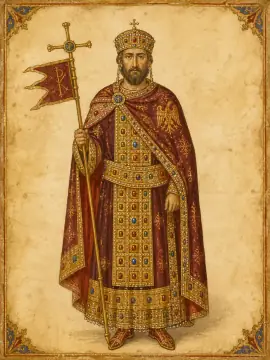
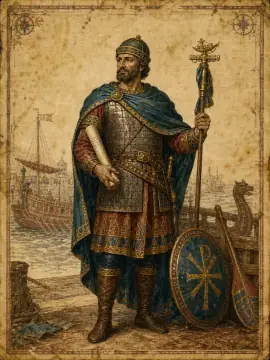
  • basileus as supreme commanderImperial commanderbasileus as supreme commanderImperial commanderThe emperor as supreme commander; not a field rank, but the ultimate source of military authority.The basileus was not a battlefield rank like a modern officer; the image uses imperial dress and command symbols rather than ordinary campaign gear.
CouncilHigh CommandDuctores Maiores
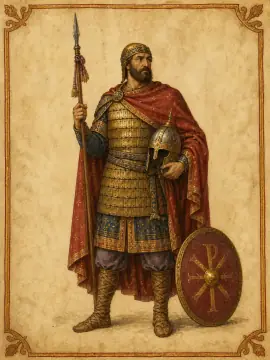
  • domestikos ton scholonTagmatic high commanderdomestikos ton scholonTagmatic high commanderSenior commander of the Scholai/tagmata, especially important in middle Byzantine high command.Elite commanders are shown with lamellar klivanion armor, command cloak, helmet, spear, and shield, all plausible for middle Byzantine high command.
  • strategosTagmatic high commanderstrategosTagmatic high commanderA general or provincial military governor; in Byzantine use the term is strongly tied to theme administration.Elite commanders are shown with lamellar klivanion armor, command cloak, helmet, spear, and shield, all plausible for middle Byzantine high command.
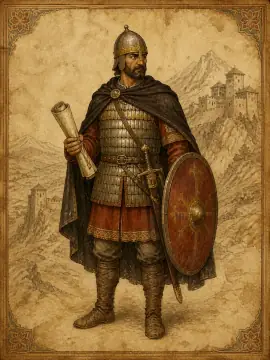
  • doux/katepanoFrontier commanderdoux/katepanoFrontier commanderRegional or frontier commander, often used for important border districts and later Byzantine military jurisdictions.A doux or katepano is shown in practical frontier equipment with dispatch/map and darker cloak, reflecting border and provincial command duties.
RanksField & Local OfficesOrdines Campi
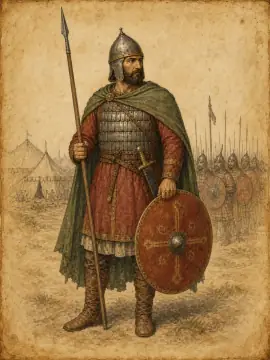
  • tourmarchesByzantine field officertourmarchesByzantine field officerA subordinate thematic commander, normally below the strategos and responsible for a tourma.Middle-ranking officers are shown with less ornate campaign equipment: spear, shield, helmet, and partial lamellar protection.
  • droungariosByzantine field officerdroungariosByzantine field officerCommander of a droungos; the title could be used in land or naval contexts depending on period.Middle-ranking officers are shown with less ornate campaign equipment: spear, shield, helmet, and partial lamellar protection.
  • kentarchosByzantine field officerkentarchosByzantine field officerA lower command title associated with leading a smaller tactical unit; exact size changed by culture and century.Middle-ranking officers are shown with less ornate campaign equipment: spear, shield, helmet, and partial lamellar protection.
  • megas douxNaval high commandermegas douxNaval high commanderRegional or frontier commander, often used for important border districts and later Byzantine military jurisdictions.The megas doux was a high naval command title in later Byzantine usage, so the plate uses sea-chart, galley, blue cloak, and naval command symbolism.
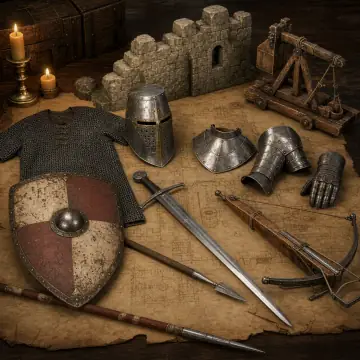
Weapons and Military EquipmentArma · Arms and equipment
Defensive systemMunimenta · Fortified defense

the Theodosian Walls, Anatolian fortress belts, mountain passes, beacon and messenger systems, and naval defense of the Bosporus and Aegean chokepoints.

Theodosian WallsA triple land-wall system built under Theodosius II that protected Constantinople for a millennium, until 1453.
Fortress BeltsNetworks of fortified towns across Anatolia formed defense-in-depth, blunting raids before they reached the imperial core.
Mountain PassesControl of key passes let defenders channel, ambush, or delay invading armies moving through difficult terrain.
Beacon ChainA relay of beacon towers could warn Constantinople of a frontier invasion within hours, backed by mounted messengers.
Naval ChokepointsControl of straits and sea lanes let the fleet intercept raiders and protect the capital's maritime approaches.
Tactical characterRatio Belli · How battles were fought

flexible combined arms, avoidance of reckless battle when logistics favored delay, diplomacy with frontier peoples, and manuals such as the Strategikon tradition shaping military thought.

Combined ArmsCoordinated use of cavalry, infantry, and missile troops, with formations adapted to whichever enemy was faced.
Strategic PatienceMilitary manuals counseled caution, favoring attrition and denial of supplies over risking the field army in open battle.
Frontier DiplomacyTribute, marriage alliances, titles, and subsidies were used to neutralize or co-opt frontier powers instead of relying only on force.
Military ManualsTexts such as the Strategikon and the Taktika of Leo VI codified doctrine on tactics, logistics, and specific enemies.
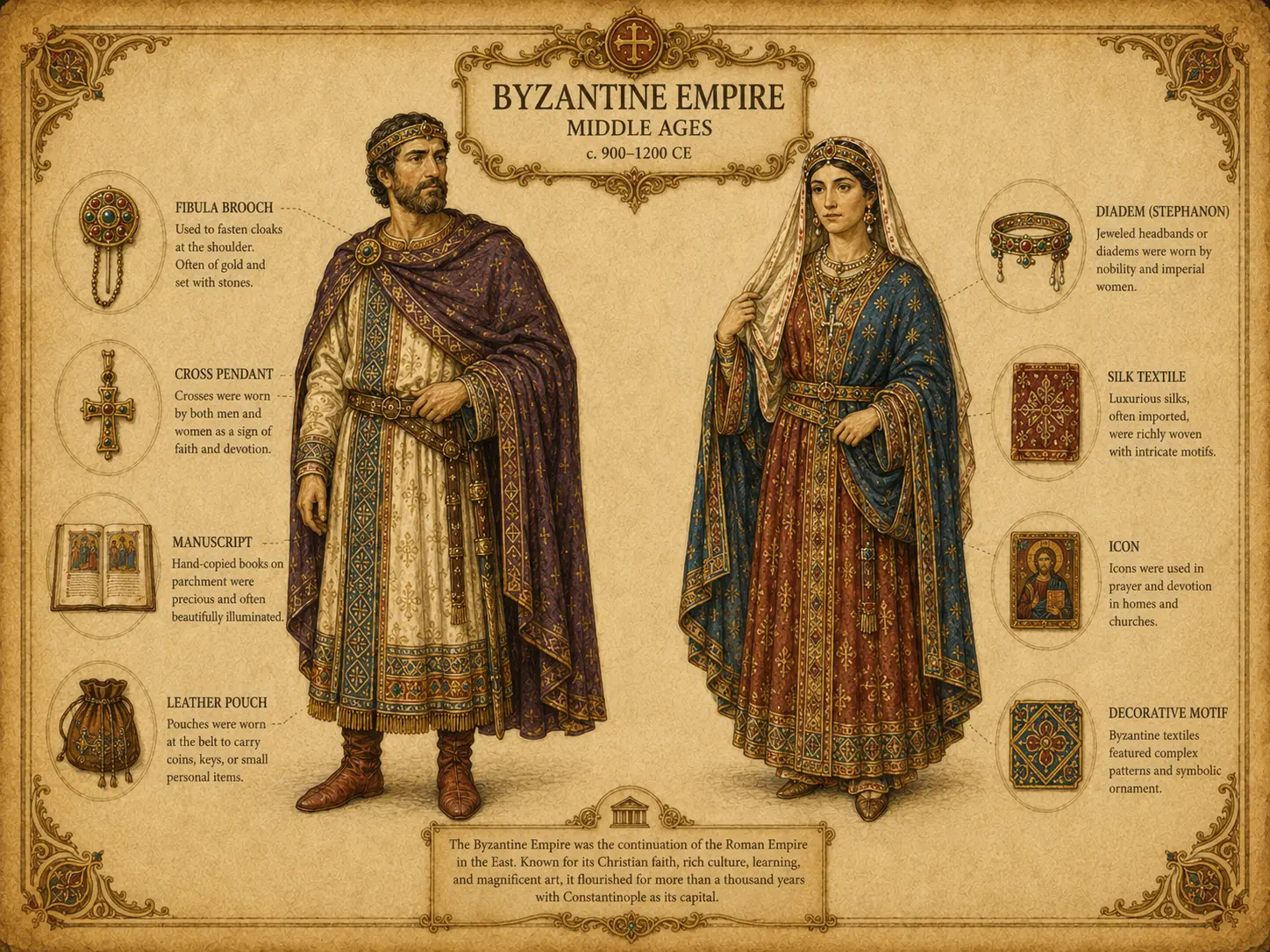
Byzantine Empire Middle Ages male and female fashion

Male dress

  • tunic or dalmatica, often belted
  • chlamys or cloak for rank and ceremony
  • silk, embroidery, boots, and jeweled belts among elites

Byzantine men wore layered tunics and cloaks; court dress could include the chlamys, loros, decorated borders, and rank-signaling footwear. Common men used simpler wool or linen tunics, drawers, caps, and practical shoes.

Female dress

  • long dalmatica-style tunic
  • maphorion, veil, shawl, or mantle
  • jewelry, pearl decoration, embroidered collars, and silk for elites

Byzantine women's dress emphasized coverage and layered luxury. Elite women wore long decorated tunics and mantles, while imperial women could use ceremonial garments and purple-associated display that ordinary women could not.

Codex Lesson

Byzantine Empire

Middle Ages · Peak Power & Culture

Lecture Page I / The Realm in Plain Words

EraMiddle Ages
RealmByzantine Empire
Selected Year1000
Timeline StopPeak Power & Culture
1 / 2Did You Know?Byzantine Empire in the Middle Ages changed over time; the same realm could look very different at its beginning, peak, and crisis point.Trade NoteAnatolian military roads mattered for goods, but also for news, envoys, religious contacts, and political information.Timeline LensPeak Power & Culture is easiest to understand when you connect leaders, institutions, trade, and ordinary life instead of studying them separately.

Big Picture

Eastern Roman Empire (330-1453) is the main setting for this lesson about Byzantine Empire in the Middle Ages. The Byzantine Empire preserved Roman imperial institutions in the eastern Mediterranean for more than a millennium, though its territory rose and fell dramatically. This is the peak stage. Power looks impressive here, but it also becomes complicated because armies, taxes, law, religion, and trade all have to work together. For a student, the key is not to memorize every date first. Start by asking what problem the society was trying to solve: security, food, taxes, trade, belief, leadership, or survival.

What Changed at This Stop?

The main event for this part of the timeline is the macedonian and komnenian periods restored power through war, diplomacy, and administration.. That event matters because it shows how the realm was changing in real life, not just on a map. It affected who had power, where soldiers or officials were needed, and how ordinary people experienced the state. In this period, change usually happened through many small pressures before it became visible as a famous war, reform, conquest, or collapse.

How Power Worked

Power in Byzantine Empire was never only about one ruler giving orders. Leaders needed helpers: officials, local elites, soldiers, priests, scribes, merchants, and sometimes foreign allies. They also needed money, roads, records, and trust. If taxes failed, if nobles resisted, or if a frontier became unsafe, even a strong ruler could struggle. This is why institutions matter so much in history: they decide whether power can last after one person is gone.

People and Daily Pressure

Most people did not experience history as a list of kings. They experienced it through harvests, rent, taxes, military service, market prices, religious duties, and the safety of nearby roads. A successful realm could protect trade and settle disputes, but it could also demand labor, grain, money, or soldiers. The same event might look glorious from a palace and stressful from a village. Good history keeps both views in mind.

Page 1 of 2